Steel Building Design North Georgia
Part of our Metal & Steel Buildings North Georgia resources.
Steel building design and engineering in North Georgia. Custom layouts and code compliance.

Overview
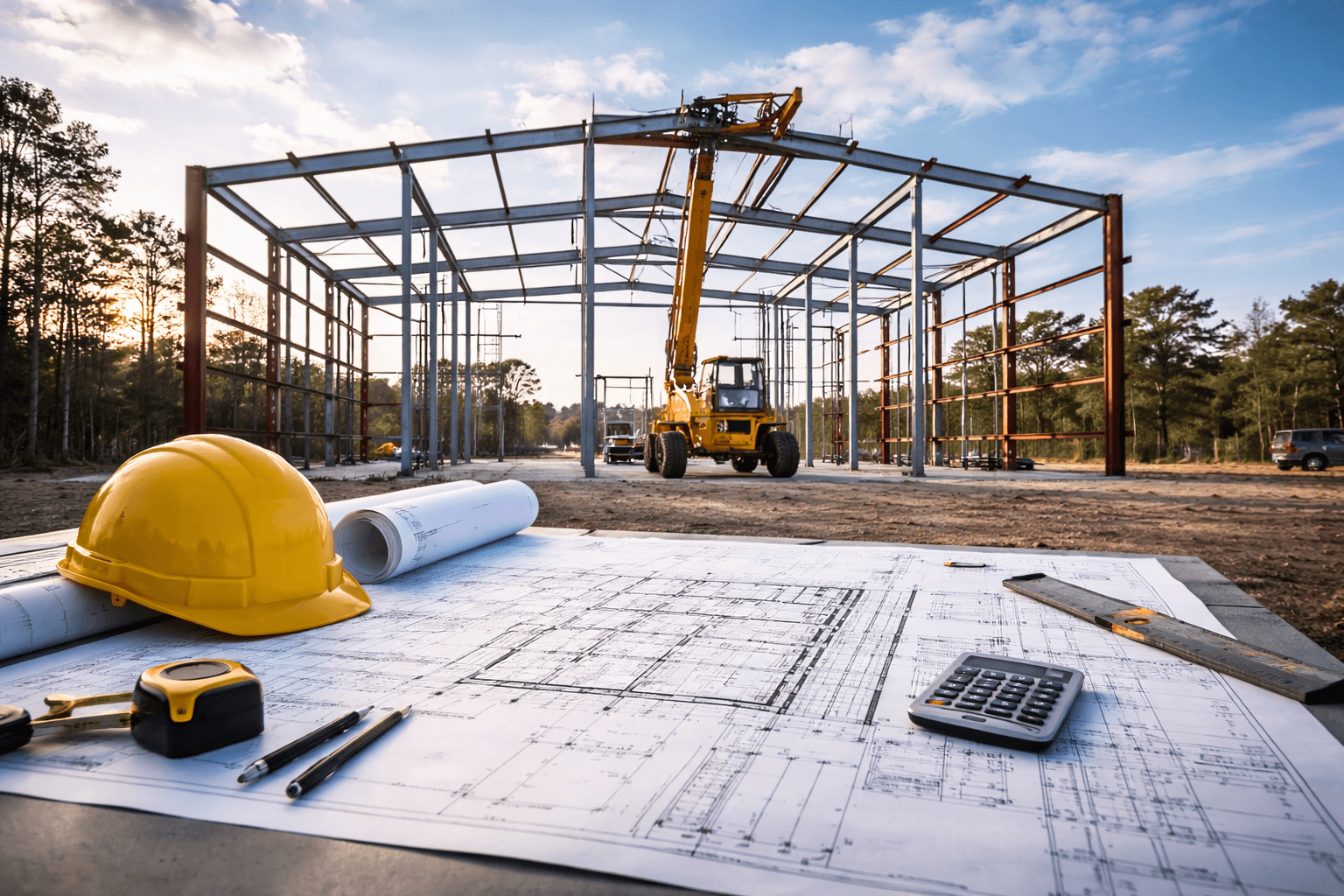
Steel building design covers span, height, and finish options. This page explains when to lock design decisions and what affects cost and timeline so you can get to a permitted, buildable set of plans.
Design choices—span, eave height, door and window locations—affect structure, enclosure, and budget. Changing them after foundation design or permit can mean rework and delay. Use this as a planning guide: what to decide early, how design ties to permit and cost, and what pitfalls to avoid so the building is right from the start.
Overview
Steel building design covers span, height, and finish options. This page explains when to lock design decisions and what affects cost and timeline so you can get to a permitted, buildable set of plans.
Design choices—span, eave height, door and window locations—affect structure, enclosure, and budget. Changing them after foundation design or permit can mean rework and delay. Use this as a planning guide: what to decide early, how design ties to permit and cost, and what pitfalls to avoid so the building is right from the start.
When this makes sense
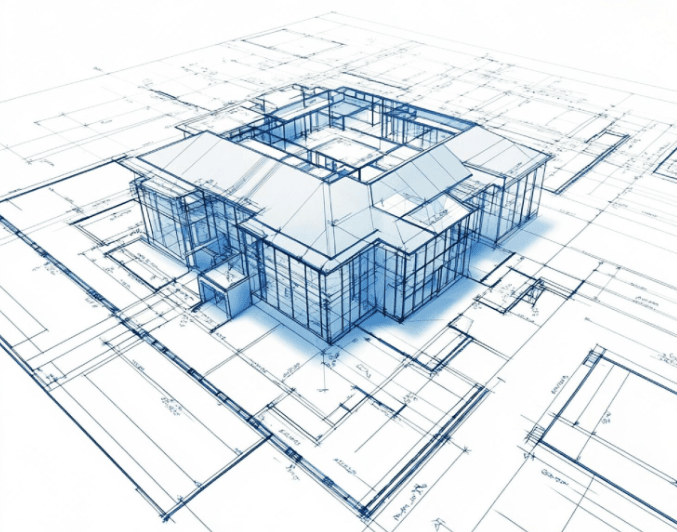
When you’re early in planning and want to understand how design choices affect structure, enclosure, and budget. It also makes sense when you need to get to permit-ready plans and want design coordinated with buildability and local code.
Typical timeline (high level)
- Program: define use, size, and key requirements (clear height, doors, etc.).
- Schematic design: layout and major dimensions; get rough cost feedback.
- Design development: work with manufacturer or engineer for structural design and anchor bolt layout.
- Permit preparation: prepare submittals and coordinate with the building department.
- Permit review: respond to comments and obtain approval.
- Handoff: deliver permitted, buildable plans for construction.
- Design, engineering, and permit typically precede construction; align design milestones with your overall project schedule.
Key Considerations
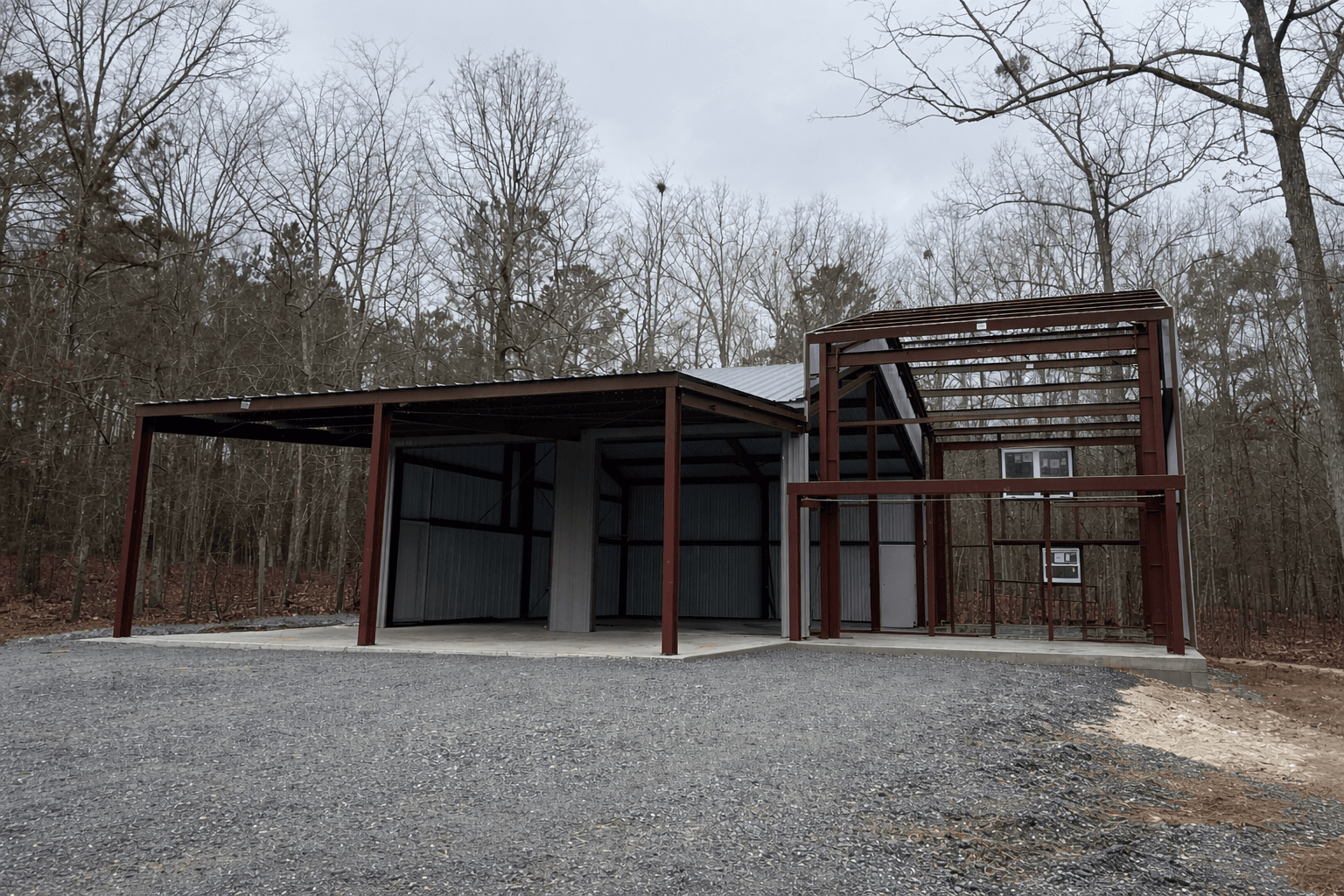
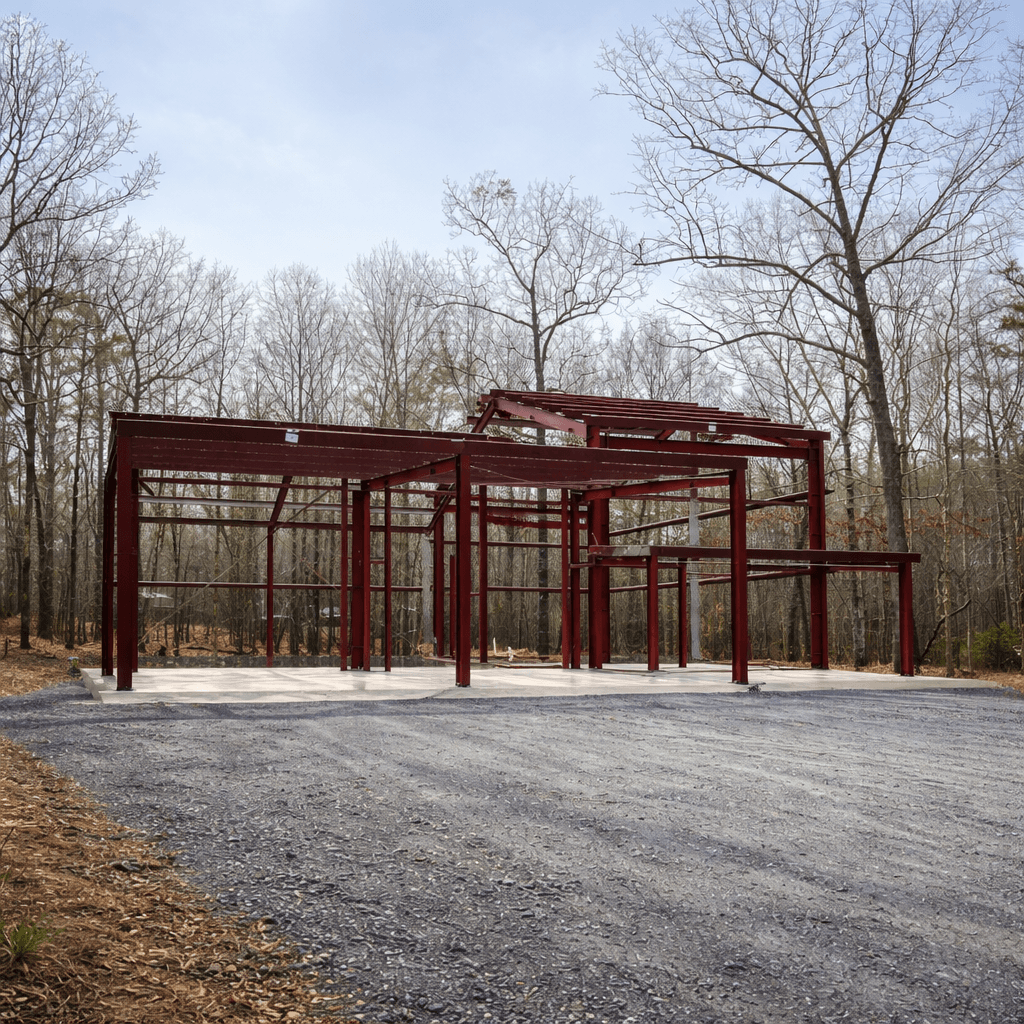
- Span and eave height: clear span and height drive frame size and cost; lock these early.
- Roof and wall systems: insulated vs. non-insulated, gauge, and trim affect cost and performance.
- Interior build-out scope: if you need finished space, design for it (column spacing, MEP) from the start.
- Door and opening locations: openings affect frame design; lock locations before structural design.
- Anchor bolt layout: must be coordinated with the structural package before foundation is poured.
- Permit and code: design must meet local code; align with the building department early.
- Manufacturer or engineer: pre-engineered vs. custom structural steel have different design and lead-time paths.
- Cost at key milestones: get cost feedback at schematic and design development so you don’t overdesign.
- Future expansion: if you might expand, consider it in the initial design so it’s possible later.
Common pitfalls

- Changing span or height after foundation design and having to redo anchor bolts or foundation.
- Treating design as separate from permit and cost and discovering late that the design is over budget or hard to permit.
- Locking door and opening locations too late and forcing expensive frame changes.
- Not coordinating anchor bolt layout with the structural package and discovering a mismatch at erection.
- Designing without build-out in mind and discovering column or height conflicts later.
- Skipping cost checkpoints and finding out at permit or bid that the building is over budget.
- Assuming the first design is permit-ready without early jurisdiction feedback.
Common pitfalls
- Changing span or height after foundation design and having to redo anchor bolts or foundation.
- Treating design as separate from permit and cost and discovering late that the design is over budget or hard to permit.
- Locking door and opening locations too late and forcing expensive frame changes.
- Not coordinating anchor bolt layout with the structural package and discovering a mismatch at erection.
- Designing without build-out in mind and discovering column or height conflicts later.
- Skipping cost checkpoints and finding out at permit or bid that the building is over budget.
- Assuming the first design is permit-ready without early jurisdiction feedback.
Ready to discuss your project?
Get a construction consultation tailored to your build.